
What we offer at Unley Orthodontics

One of the most common questions we get asked is at what age a child should have an orthodontic assessment. While people of any age can benefit from braces, it’s recommended that children visit an orthodontist for an assessment between the ages of 8 and 10, once their front adult teeth have grown fully.
This allows us to evaluate your child’s teeth and determine if they may need early treatment. This appointment will cover existing teeth as well as those that are yet to break the surface to help predict their future growth.
Dr Prash can identify any abnormalities that might be more urgent to fix when their teeth and jaws are easier to manipulate. This is helpful for treating a variety of orthodontic problems, such as crossbites, protruding teeth, crowding, spacing, and missing teeth, before more serious problems start to develop.
EARLY TREATMENT
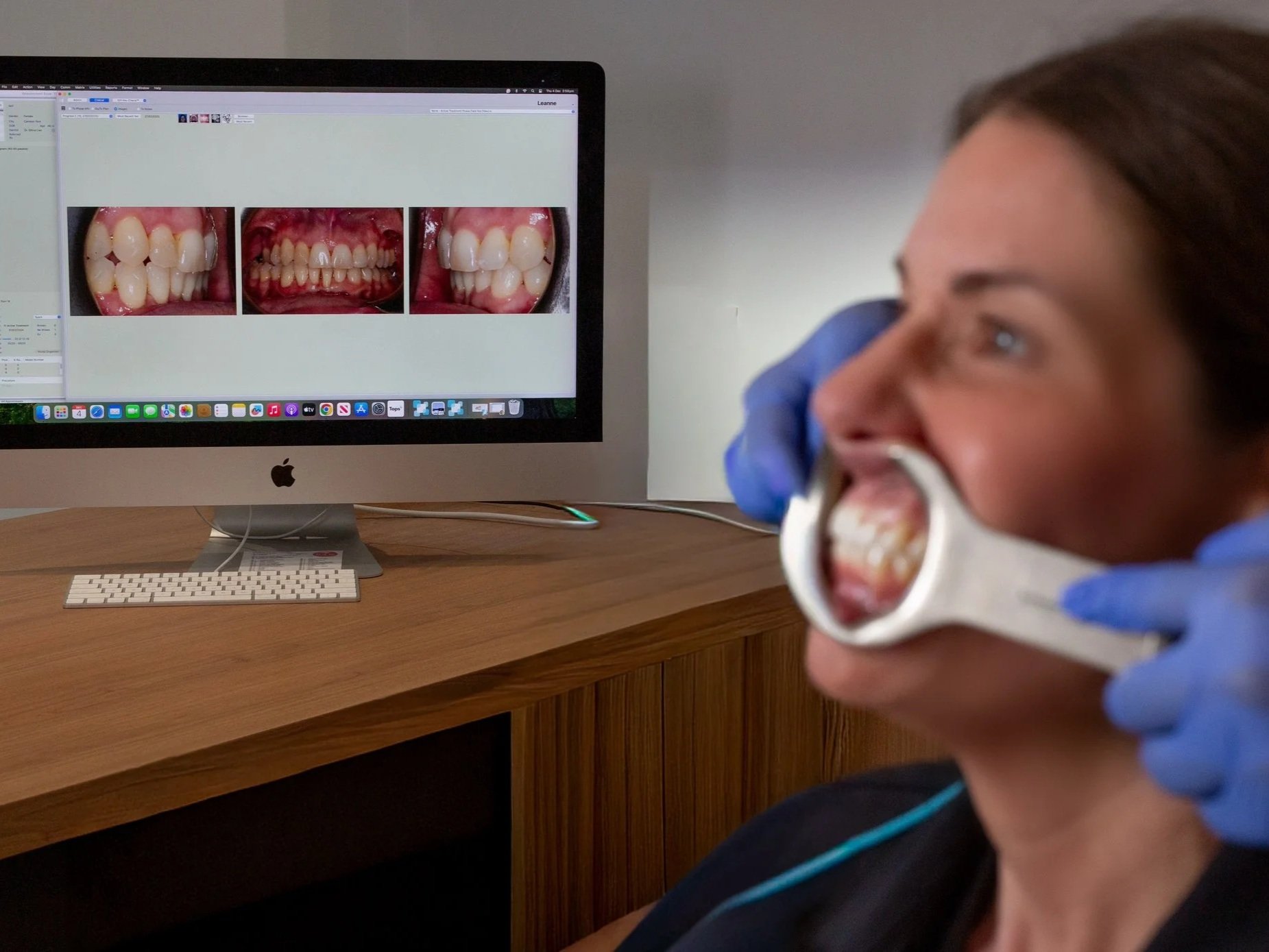
Orthodontics is no longer just for children, and there has been a significant increase in the number of adults undergoing orthodontic treatment later in life.
Whether you didn’t have access to treatment when you were younger or if your teeth started shifting later in life, there are treatment options that will suit you.
Not only does orthodontic treatment straighten teeth, build confidence, and improve appearance, but it can also help prevent tooth decay and other oral health issues. So whether you want to get orthodontic treatment to straighten your smile, align your jaw, or even to help reduce your snoring, it’s definitely worthwhile.
ADULT PATIENTS
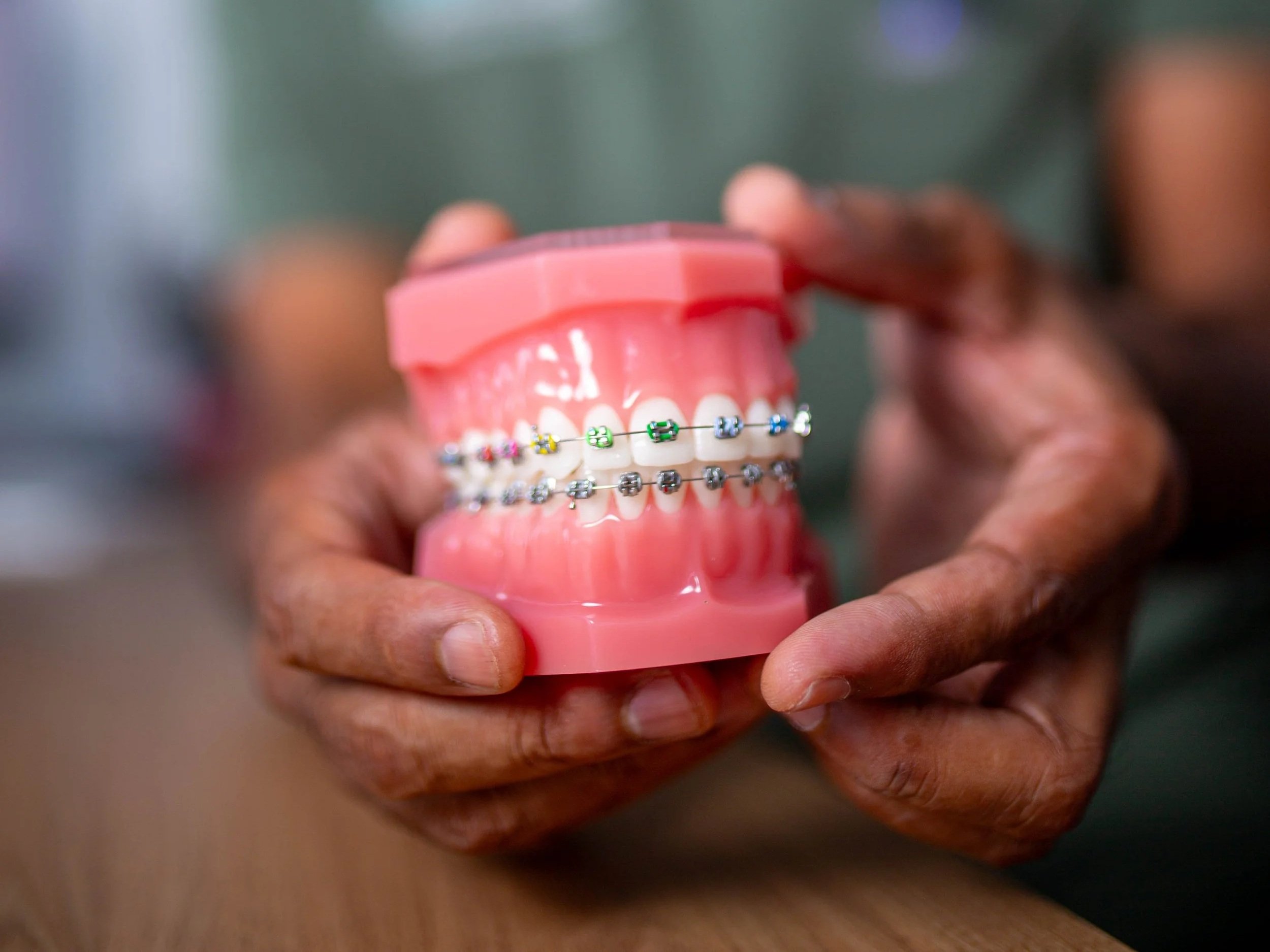
Braces have been a mainstay of orthodontic treatment for so long because they’re the most powerful correction treatment. For gaps big and small, and no matter the degree of malocclusion or crowding, braces are a great way to achieve your perfect smile.
There is also the option of metal braces or ceramic braces. You can tailor your treatment to your own budget, tastes and needs.
Braces are also a great option for those who want a less hands-on approach. You don’t have to remove your braces when eating, meaning there’s less chance of poor compliance during treatment.
BRACES
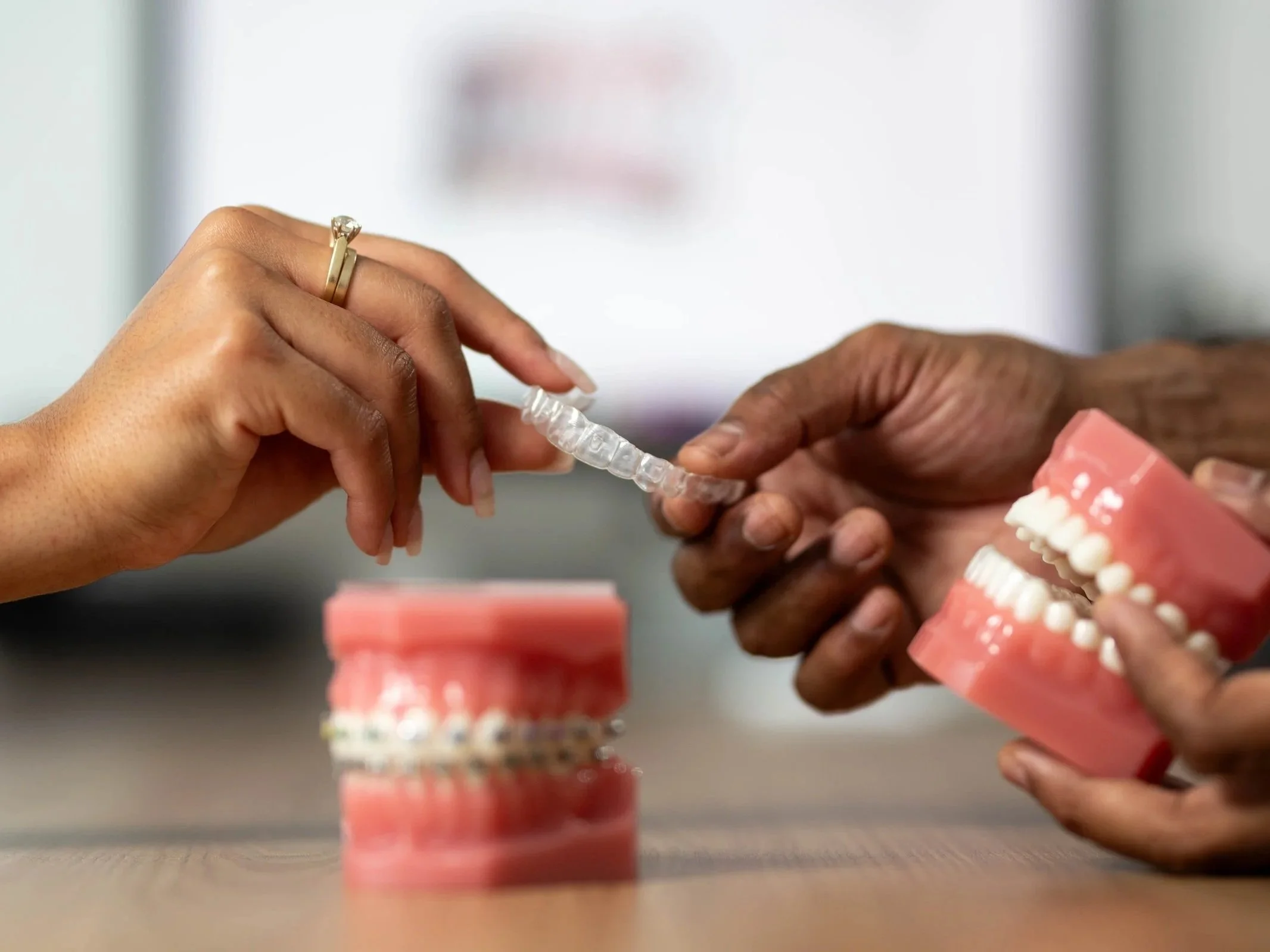
Clear aligners provide a comfortable and discreet orthodontic treatment option.
While you’ll still need to wear them most of the day, being able to remove them for meals or special occasions gives you extra freedom — something many people appreciate, especially at the beginning of treatment.
With fewer parts than braces, clear aligners can mean fewer complications: there are no brackets to break or wires that can poke and irritate your cheeks, lips, or tongue.
Because your mouth is free of wires and brackets, daily care is easier too. You’ll still need to brush and floss regularly, but without the obstacles of braces, keeping your teeth and gums clean is much more straightforward.
ALIGNERS